

By Chuckey Radamel Thomas
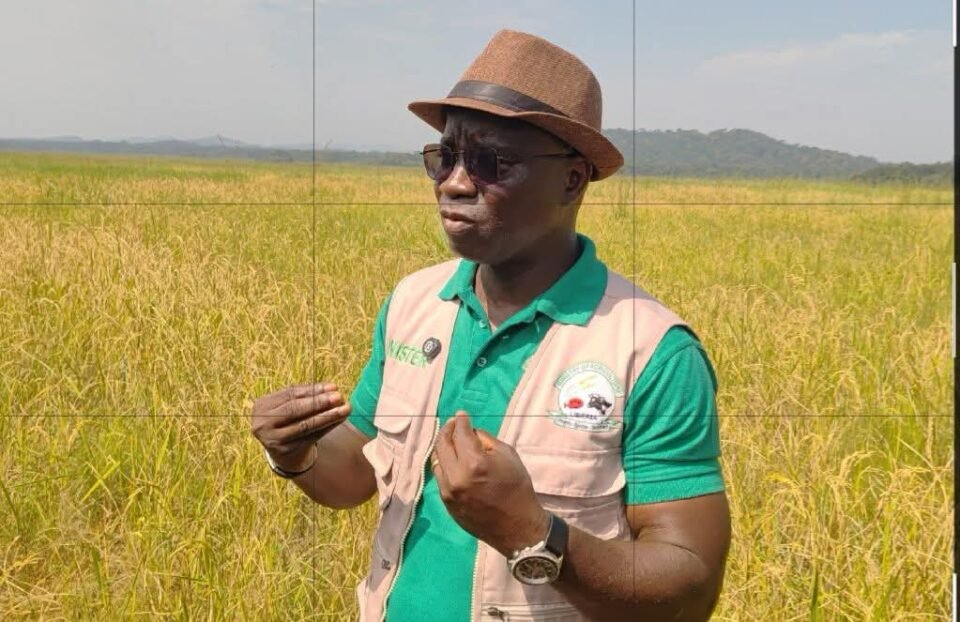
MONROVIA, Liberia — Liberia’s Agriculture Minister has called for an annual investment of at least US$100 million in the country’s agricultural sector, warning that limited financial support could derail efforts to increase domestic food production and achieve national food security.
The Minister said substantial and consistent funding is necessary to move Liberia’s agricultural development agenda beyond policy commitments and translate ongoing programmes into measurable improvements for farmers and the wider economy.
He pointed to the proposed 2027 National Budget, which provides US$18 million for the agriculture sector, including US$13 million allocated to the Ministry of Agriculture, describing the available resources as insufficient to meet the sector’s development needs.
One of the major concerns raised by the Minister is the absence of adequate operational funding for agricultural equipment provided through international cooperation.
He disclosed that 304 agricultural machines donated by the Chinese government, together with 13 Agricultural Mechanization Service Centres established across six counties, require financial support to ensure their effective operation and maintenance.
According to him, without the necessary resources to keep the machinery functional and accessible, the government’s mechanization programme could fall short of its intended impact, leaving farmers unable to fully benefit from the equipment provided.
The Minister emphasized that acquiring agricultural machinery alone cannot guarantee increased production. He said the government must also invest in maintenance, operational services, infrastructure, and other essential support systems that enable farmers to use the equipment effectively.
He further reaffirmed the Ministry’s determination to attract private-sector participation, strengthen partnerships, and expand assistance to local farmers as part of efforts to improve agricultural output.
Despite the financial challenges, the Minister expressed confidence that Liberia could attain food self-sufficiency by 2030 under the leadership of President Joseph Nyuma Boakai.
He, however, stressed that achieving the target would require sustained government financing, continued contributions from development partners, and greater involvement of farmers in national agricultural programmes.
The US$100 million annual investment proposal comes as Liberia continues to confront the challenge of depending heavily on imported food despite having considerable agricultural land and production potential.
For many years, inadequate mechanization, limited access to financing, weak infrastructure, and insufficient support services have constrained the ability of local farmers to produce on a scale capable of meeting national demand.
The Minister’s appeal therefore places renewed attention on the financial requirements of Liberia’s agricultural transformation agenda and the need to ensure that budgetary commitments translate into practical assistance for farming communities.
Whether the country can meet its 2030 food self-sufficiency target will largely depend on its ability to mobilize the resources needed to expand production, strengthen the agricultural value chain, and make farming a more productive and sustainable source of income for Liberians.
