

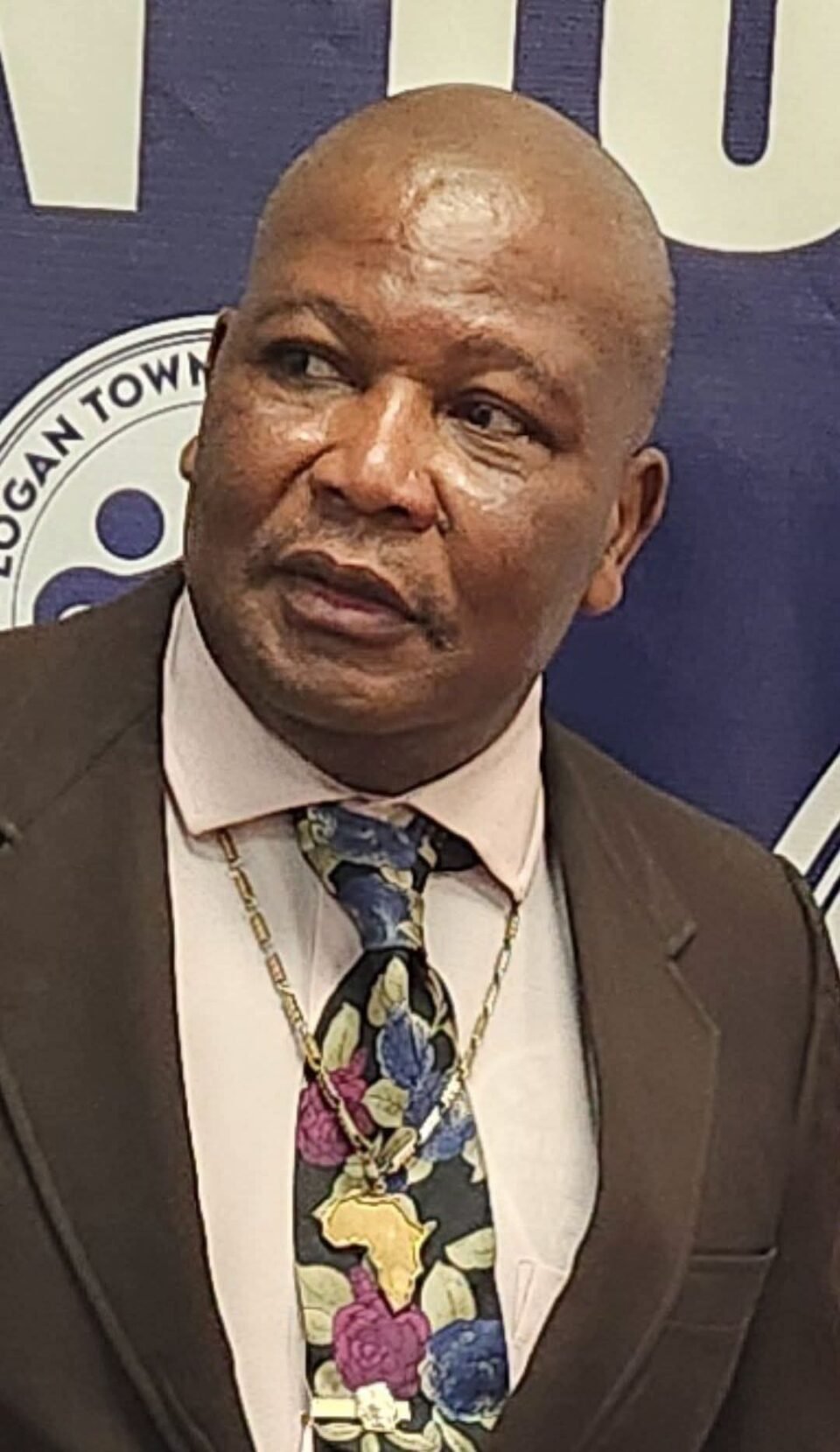
MONROVIA, Liberia — Rev. Philip S. Blamo, an independent aspirant for the 2029 House of Representatives election in Montserrado County District #15, has sounded a note of caution over the proposed US$5.7 billion infrastructure partnership between the Government of Liberia and Bea Mountain Mining Corporation, questioning whether the country stands to gain fairly from the arrangement.
Blamo argues that although the proposal presents an opportunity to address critical infrastructure deficiencies, its development promises should not be mistaken for evidence that the agreement is economically favorable to Liberia.
He believes the government must look beyond the headline investment figure and carefully assess the actual value of the proposed projects, the financial commitments involved, and the long-term consequences for the national economy.
The Master Infrastructure Development Agreement (MIDA) reportedly covers several major projects intended to improve electricity supply and transportation infrastructure.
Its proposed energy component includes 270 megawatts of power generation through hydroelectric and biomass facilities. The arrangement also identifies approximately US$230 million for transmission infrastructure and electricity grid improvements.
On the transportation side, US$234.6 million is projected for a 146-kilometer development road, while another US$1 billion is designated for wider road construction and rehabilitation initiatives.
Despite the scale of these proposed investments, the arrangement has generated questions about project costs, financing structures, implementation standards, and the extent to which Liberia will benefit from the partnership.
Blamo’s position highlights a broader concern about how the country negotiates major investment agreements, particularly those involving substantial financial commitments and national development priorities.
He maintains that Liberia cannot afford to endorse an agreement simply because it carries an impressive financial figure or promises large-scale construction projects. The decisive consideration, he argues, must be whether the terms secure lasting economic advantages for the country.
With the proposed agreement attracting attention from lawmakers, political stakeholders, and economic observers, its provisions are expected to remain a subject of public debate as the ratification process advances.
The controversy places an important responsibility on the government and the Legislature to demonstrate that the proposed partnership is transparent, financially justified, and structured to protect Liberia’s interests.
Ultimately, the challenge is not how much investment the agreement advertises, but how much genuine development Liberia will receive in return.
